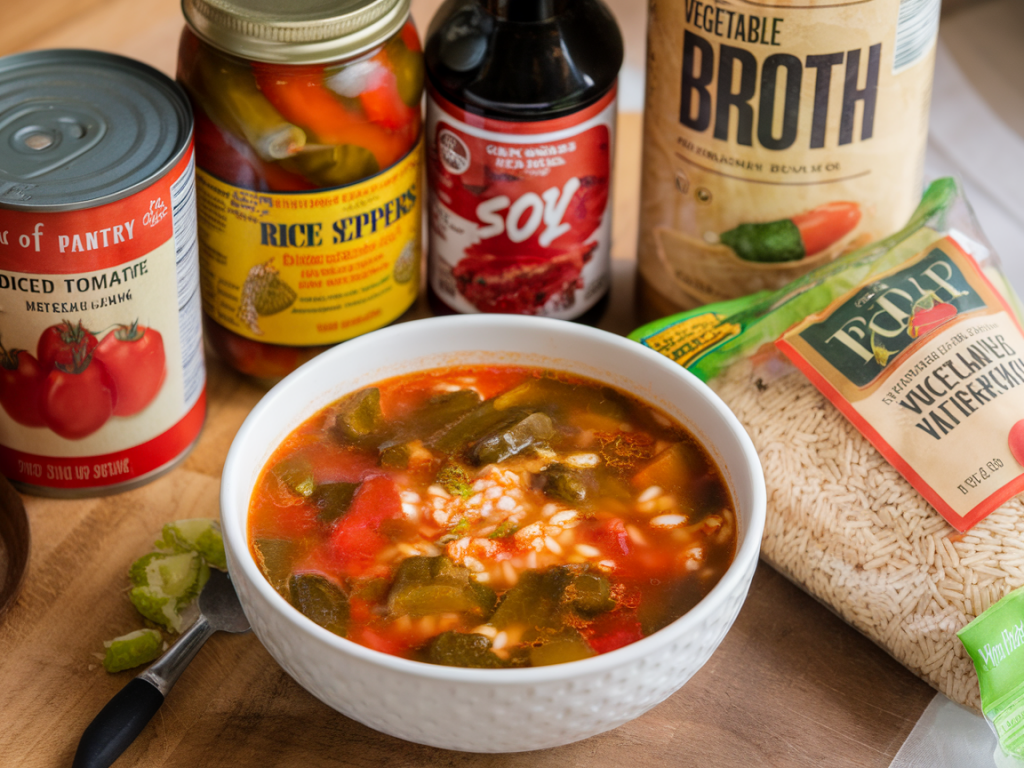
We’ve all been there: a pot of soup simmering away that looks promising, but when you taste it, it’s… flat. Not bad, not offensive—just bland. I’ve wasted more than my fair share of bowls before I learned a few pantry tricks that rescue bland soup fast, without sending me to the store or starting over from scratch. Here are five pantry staples I reach for every time, how I use them, and a few combinations that consistently turn a ho-hum pot into something I actually want to eat.
The five pantry staples I always keep within reach
- Acid — white vinegar, apple cider vinegar, or a squeeze of bottled lemon
- Salted umami — soy sauce, tamari, or a splash of fish sauce
- Fat — olive oil, butter, or sesame oil
- Heat — chili flakes, hot sauce, or cayenne
- Aromatics — garlic powder, onion powder, or smoked paprika
These five staples are boring on their own, but together they cover the basic pillars of flavor: salt, acid, fat, heat, and aroma. Using them in small, deliberate doses fixes most bland soups quickly.
How I approach a bland soup (step-by-step)
When I taste a soup that’s not doing it for me, I do two quick things first: check the salt level and check the temperature. Cold soups taste less vibrant and some salts (like kosher) need time to dissolve. If the salt seems low, I always add it in stages. Here’s my usual process:
- Taste the soup warm, not hot and not cold.
- Add a conservative pinch of salt, stir, taste after 1 minute.
- If it’s still flat, add a 1–2 teaspoon splash of an umami-rich sauce (soy or fish sauce) rather than more plain salt.
- If it still lacks brightness, add acid—1 teaspoon at a time of vinegar or a squeeze of lemon—until flavors pop.
Exactly how to use each staple
Here are practical dosages and examples I use when rescuing a medium pot (about 4–6 servings) of soup:
| Staple | What it does | How much to add | Notes |
|---|---|---|---|
| Vinegar/lemon | Adds brightness and balances fat | 1 tsp at a time, up to 1 tbsp | Apple cider vinegar is gentle; white wine vinegar is cleaner; bottled lemon works too |
| Soy sauce/fish sauce | Boosts salt + umami | 1 tsp at a time, up to 2 tbsp | Fish sauce is stronger—use sparingly with brothy soups |
| Oil/butter | Rounds mouthfeel and carries flavor | 1–2 tbsp | Finish with butter for richness, sesame oil for toasted notes |
| Chili/hot sauce | Adds lift and contrast | Pinch or 1/4 tsp; 1 tsp hot sauce | Heat makes flavors read stronger even without making soup spicy |
| Garlic/onion powder | Quick aromatic depth | 1/4–1/2 tsp | Smoked paprika adds warmth; rehydrated minced garlic is great if you have time |
Combinations that actually work
Rather than throwing everything in at once, I pick one or two primary fixes and test in small increments. Here are combos that save my soups time and again:
- Soy sauce + vinegar — use when soup feels flat and bland. I add 1 tsp soy, taste, then 1 tsp apple cider vinegar. The soy deepens while the vinegar brightens.
- Butter + lemon — perfect for creamy vegetable soups (potato, cauliflower). A tablespoon of butter melted in, then 1/2–1 tsp lemon, makes the soup feel homey and fresh.
- Fish sauce + chili — excellent for brothy soups with chicken or greens. Fish sauce gives savory backbone; chili lifts the flavors.
- Sesame oil + garlic powder — great for Asian-inspired miso or noodle soups. Use literally a few drops of sesame oil and 1/4 tsp garlic powder; it smells like you've simmered aromatics for hours.
- Smoked paprika + salt — when a soup feels dull but not watery (like tomato without oomph). Smoked paprika brings warmth; add salt to taste.
Quick fixes based on soup type
Here are the small adjustments I make depending on the base:
- Vegetable-based broths: Start with salt, then acid. Vegetables can be sweet and need brightness.
- Creamy soups: Add fat (butter or cream) and acid. Cream mutes acid, so start small.
- Chicken or bone broths: Go for umami (soy or fish sauce) and heat—these soups stand up to bold flavors.
- Tomato soups: A pinch of sugar can tame acidity, but I prefer smoked paprika + salt + drizzle of olive oil.
- Bean or lentil soups: Add acid at the end (lemon or vinegar) and finish with a hit of olive oil.
Troubleshooting common problems
- Too salty: Add a peeled potato and simmer 10–15 minutes (absorbs some salt), or dilute with low-sodium broth and adjust acid and fat again.
- Watery: Simmer uncovered to reduce, then re-balance salt and acid. Alternatively, add a spoonful of tomato paste for depth.
- Too bitter (often from overcooked greens): A little sugar or more fat helps. Lemon can brighten but may make bitterness pop—use cautiously.
I’ll often keep a small tasting spoon and a little notebook by the stove to jot down what I added. Over time you start to predict which fix a specific soup needs—chicken stew usually wants umami + heat, while pureed squash often craves acid + butter.
Brands and pantry items I reach for
Not sponsored, just what I actually buy: Kikkoman or La Choy soy sauce for browning and depth, Thai Golden Mountain or Red Boat fish sauce when I want savory punch, Colavita extra-virgin olive oil and Land O’Lakes butter for finishing, and Frank’s RedHot or Tabasco for straightforward heat. For vinegar, I prefer simple apple cider or white wine vinegar; Heinz white vinegar is useful for cleaning too, but I keep a small bottle of Bragg apple cider vinegar in the kitchen for flavor.
Finally, don’t be afraid to taste often and add in small increments. Fixing a bland soup is less about dramatic moves and more about layering little adjustments until everything sings together. It’s the same approach I use for making dinner doable on weeknights—practical, forgiving, and repeatable.