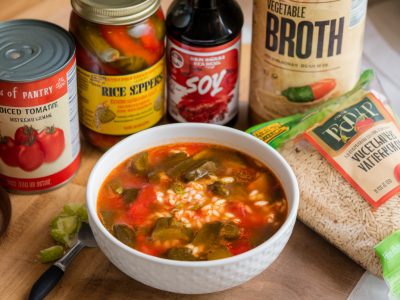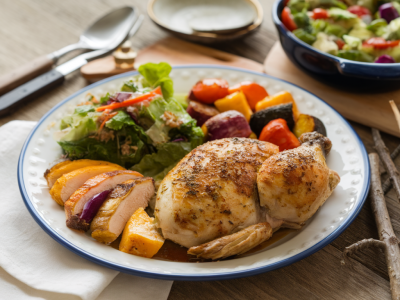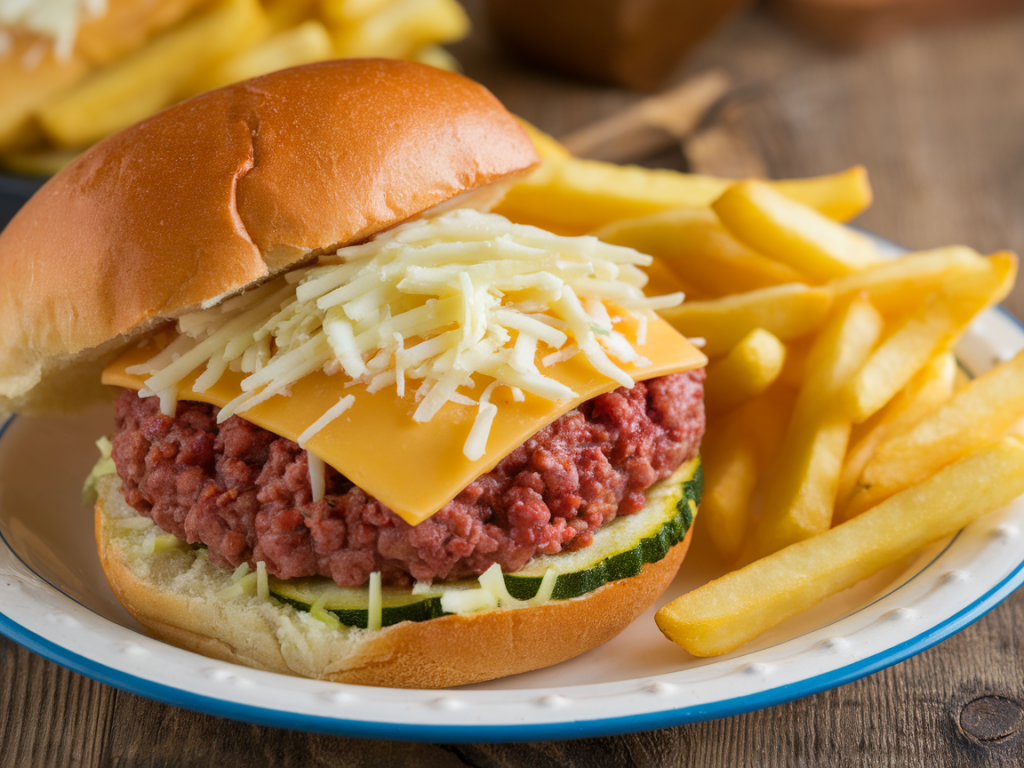
I have fed picky eaters, negotiated veggie battles at the dinner table, and learned which small tricks actually work (and which are just parenting myths). Over the years I’ve found that hiding veggies doesn’t mean tricking your kids forever — it’s about making vegetables familiar, tasty, and non-threatening so they gradually accept them. Below are kid-tested dinner ideas and practical tips I use in my kitchen to sneak in vegetables without turning dinner into a war zone.
Why subtlety beats force
Forcing a child to eat something usually makes them double down on refusing it next time. Instead, I aim for two things: familiarity and flavor. If a dish looks like something the kid already likes (pasta, pizza, quesadillas) but tastes better because of a stealthy veggie boost, it’s an easy win. Also, texture matters — crunchy peas are different from silky pureed carrots. Matching the vegetable’s texture to the dish helps it blend in.
Pantry-friendly strategies that actually work
- Purees and sauces: Add cauliflower, carrots or butternut squash pureed into tomato sauce, mac and cheese sauce, or soups. The flavor becomes background support and kids rarely notice.
- Grated or finely chopped: Grate zucchini into meatballs or burgers; finely chop mushrooms into Bolognese. Tiny pieces disappear into familiar textures.
- Freeze and blend: Keep a bag of frozen spinach or peas and blend into pancakes, smoothie bowls, or pancake batters for subtle color and nutrition.
- Use flavorful pairings: Strong flavors like cheese, bacon, butter, or soy sauce can mask a vegetable’s presence while adding comfort.
- Layer veggies under favorites: Spread a thin layer of sautéed spinach or bell pepper under cheese on quesadillas or toast. The cheese keeps the familiar look on top.
Kid-approved recipes I make repeatedly
These are recipes I rotate through based on what’s in the fridge. They’re fast, forgiving, and most importantly — the kids eat them.
1) Hidden Veggie Spaghetti Bolognese
Ingredients I toss in: ground beef or turkey, canned tomatoes, onion, garlic, carrot, celery, mushrooms, and optional grated zucchini.
- Sauté onion, garlic, carrot, celery and mushrooms until soft. I blitz half the mixture in the blender for a silky texture and leave the rest chunky.
- Add ground meat and brown, then pour in canned tomatoes and a splash of Worcestershire or soy sauce (kids love the umami).
- Simmer 15–20 minutes. Stir in a handful of finely grated zucchini near the end.
- Serve with pasta and a generous sprinkle of Parmesan; the sauce tastes familiar and comforting.
2) Cheesy Veggie Quesadillas
- Shred cheddar or use a Mexican blend and mix with finely chopped spinach or grated butternut squash.
- Spread on a tortilla, add a little salsa if your kids tolerate it, top with another tortilla, and cook in a skillet until golden.
- Cut into wedges for easy handling — the cheese dominates the flavor while the veggies add moisture.
3) Pancakes with Sneaky Greens
I keep a bag of frozen spinach in the freezer. For weekday breakfasts or a dinner switch-up, I blend 1 cup of spinach with batter for a mild green pancake kids usually call “fun.” Serve with fruit and a drizzle of maple.
4) Meatballs + Hidden Veggies
- Mix ground meat with breadcrumbs, egg, grated carrot, finely grated zucchini, and a bit of grated onion or mushrooms.
- Bake at 200°C / 400°F for 12–15 minutes until cooked through; they firm up nicely and freeze well.
- Serve with pasta, in a sub, or as finger food with dip. Bonus: kids often ask for “meatball nights.”
5) Smoothie Bowls as Dessert Disguise
Make a yogurt-based smoothie with banana, berries, a spoonful of peanut butter, and half an avocado or a handful of spinach. Top with granola — this often goes down as a treat while adding hidden nutrients.
How to present veggies so kids don’t notice — practical tips
- Mix, don’t pile: A plate with one piece of broccoli beside the chicken is a battle. Mix veggies into other components so they’re part of the flavor story.
- Control texture: If your child dislikes mushy vegetables, keep them crisp-tender (roasted or quickly sautéed). If they dislike crunchy, puree instead.
- Use dips: Even a simple dip like hummus, ranch, or yogurt dressing can dramatically increase veggie acceptance.
- Color and shape: Spiralize zucchini into “zoodles,” or use cookie cutters for fun shapes — sometimes novelty is enough to get a bite.
- Serve alongside favorites: Pair a new veggie with a reliable favorite instead of forcing it alone.
Simple swaps that up the nutrition without extra work
| What you usually use | Swap in | Why it works |
|---|---|---|
| White pasta | Spaghetti with half whole-wheat or bean pasta | Same look and feel, more fiber and protein |
| Canned tomato sauce | Tomato sauce blended with cooked carrot/cauliflower | Smoother, naturally sweet, kids don’t notice |
| Mashed potatoes | Mashed potato + rutabaga or cauliflower | Familiar texture, fewer carbs, more vitamins |
| Chicken nuggets | Homemade nuggets with grated zucchini or carrot | Same hand-held form, better nutrition |
When to be honest and when to be stealthy
Stealth tactics are useful, especially when you’re trying to add nutrients without creating a big scene. But I also believe in teaching kids about food. For some meals (especially when we have time), I’ll say “this has spinach in it” and make eating it a normal, casual thing. For rushed weeknights or very resistant eaters, I use stealth — and then gradually shift to more transparency over time.
Quick troubleshooting — common kid reactions and fixes
- “It looks weird”: Plate the food in familiar shapes, use cookie cutters, or cover with cheese.
- “I don’t like the texture”: Change the form — roast carrots for crunch, puree them into sauce for smoothness.
- They noticed and refused: Stay calm. Offer an alternative that still includes a vegetable — grilled cheese with a thin layer of mashed peas, for example.
- Allergic or dietary needs: Swap ingredients accordingly and keep the techniques (pureeing, grating) the same.
I’m always adjusting based on what’s in the pantry, how tired I am, and what the kids are willing to try. The beauty of these strategies is they’re flexible: one night it’s a full Bolognese loaded with vegetables; another night it’s cheesy quesadillas with a tiny green boost. Over time, the small wins add up — more variety on plates, fewer battles, and a calmer dinner table.