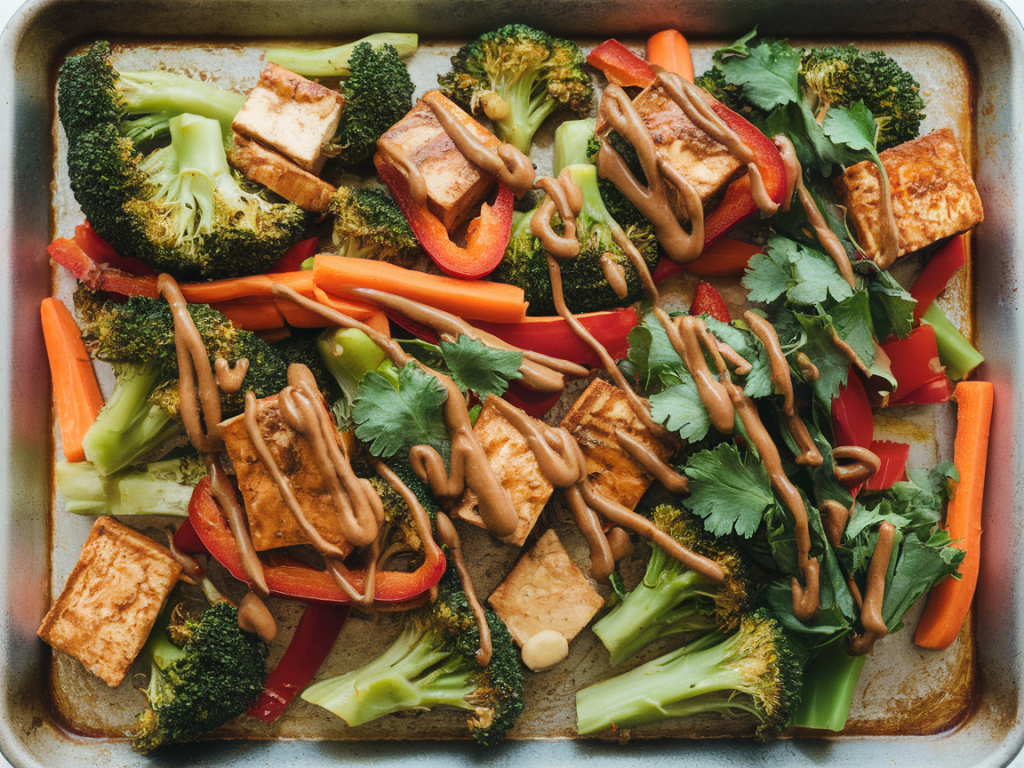
I love a good stir-fry, but on weeknights I want fast, predictable meals that don’t require babysitting a wok or a messy pile of pans. That’s why I built my go-to: a no-fail weeknight “stir-fry” made on a single sheet pan using store-bought hoisin. It brings the sweet-savory, sticky finish you expect from Asian-inspired sauce, but with the hands-off convenience of the oven. You get caramelized veggies, tender protein, and a glossy sauce in about 25–30 minutes of active time and almost no cleanup.
Why a sheet-pan stir-fry?
Because real life. If you’ve ever juggled homework, laundry, and an impromptu call while trying to keep a wok from burning, this method is for you. Roasting concentrates flavors, gives veggies great edges, and tolerates a little crowding — which is what we want when everything goes on one pan. The store-bought hoisin (I often reach for Lee Kum Kee or Kikkoman) does the heavy lifting: it’s sweet, salty, slightly tangy, and already balanced so you don’t need to build a sauce from scratch.
What you’ll need (hardware and pantry)
- One rimmed sheet pan (bigger is better — 18x13" half-sheet works great)
- Parchment paper or a light coat of oil on the pan
- Mixing bowl and a spoon or spatula
- Tongs or a spatula for flipping
- Store-bought hoisin sauce (Lee Kum Kee or Kikkoman are widely available)
- Soy sauce, sesame oil, and rice vinegar (small amounts for balance)
- Cornstarch (optional — to thicken sauce if you like a glaze)
Basic ingredient formula
I work with a simple ratio that keeps the sheet pan happy and dinner predictable. Think: 50% veggies, 30% protein, 20% aromatics and extras. Here’s a flexible example that feeds four:
- Vegetables — 6–8 cups chopped (broccoli florets, sliced bell peppers, snap peas, carrots, and sliced red onion are favorites)
- Protein — 1 to 1.25 lb (450–550 g) sliced chicken thigh, thinly sliced flank steak, tofu cubes, or large shrimp
- Aromatics/finish — 3–4 cloves garlic (thinly sliced), 1 Tbsp grated ginger (or 1 tsp ground ginger in a pinch), 3–4 green onions
- Sauce — 1/2 cup hoisin, 1–2 Tbsp soy sauce, 1 tsp rice vinegar, 1 tsp sesame oil, 1–2 tsp sugar or honey if you like it sweeter
- Optional slurry — 1 tsp cornstarch + 1 Tbsp water to thicken
Step-by-step: sheet-pan stir-fry
Here’s the sequence I stick to for consistent results. Prep first — roasting goes fast.
- Preheat: 425°F (220°C). A hot oven gives you quick caramelization.
- Prep everything: Cut veggies into similar-size pieces (so they roast evenly). Slice protein thinly — thinner pieces brown faster and stay tender.
- Toss veg: On the sheet pan, toss heartier veggies (broccoli, carrots) with 1–2 Tbsp neutral oil and a pinch of salt. Spread into an even layer on one half of the pan.
- Start roasting: Put the pan in the oven for 8–10 minutes to give those veggies a head start.
- Add quicker-cooking items and protein: Pull the pan, push the partially roasted veg to one side, add thinner veg (bell peppers, snap peas) and the protein on the other side. Drizzle a little oil over the protein and season lightly.
- Finish roasting: Roast for another 8–10 minutes, flipping protein once halfway. Shrimp will finish faster (6–8 minutes total), tofu should be crisped about 12–15 minutes.
- Make the hoisin glaze: While the pan roasts, whisk together hoisin, soy sauce, rice vinegar, sesame oil, grated ginger, and garlic. Taste — you want a balance of sweet and savory. If you like a thicker glaze, whisk in the cornstarch slurry now.
- Glaze the pan: When protein is cooked and veggies are tender-crisp with browned edges, remove the pan. Drizzle the hoisin mixture over everything and toss gently with tongs or flip pieces so they’re coated.
- Optional broil: For a sticky finish, pop the glazed pan under the broiler for 1–2 minutes — watch closely so it doesn’t burn.
- Finish: Scatter sliced green onions and a few sesame seeds over the top. Serve over rice, noodles, or a bed of lettuce for a lighter option.
Timing cheats and shortcuts
- Frozen veg mix: Use frozen broccoli or stir-fry mixes to save chopping time — toss them directly on the pan (thawing isn’t necessary).
- Pre-cut proteins: Buy thin-sliced beef or pre-cubed tofu from the store to cut prep time in half.
- Make sauce ahead: The hoisin sauce keeps in the fridge for a week — make a double batch and you’ll have weeknight dinners covered.
- Sheet pan swap: If you have two smaller pans, use both to avoid crowding; crowded pans steam instead of roast.
Common questions I get
Q: Will the hoisin burn under the broiler? A: Yes, hoisin can burn if exposed too long. Broil for just 1–2 minutes and keep the oven door open if your broiler is finicky. Alternatively, skip broiling and toss the pan well off the heat; residual heat still gives a glossy sheen.
Q: Can I use other sauces? A: Absolutely. Teriyaki, Korean BBQ (gochujang-thinned), or even a simple soy-sesame-garlic mix work. Hoisin is forgiving because it’s thick and sweet, which mimics that stir-fry glaze well.
Q: How do I keep protein tender? A: Slice thin, don’t overcook, and keep the roast time appropriate for the protein. Chicken thighs are forgiving; breast meat will dry if overdone. For beef, slice against the grain. For tofu, press briefly and toss in a little cornstarch before oiling to get better crust.
Q: What sides pair best? A: Rice (white, brown, or jasmine) is the classic. Cooked noodles tossed with a little sesame oil work great too. For a low-carb option, serve over quick-sauteed spinach or shredded cabbage.
Ingredient swaps and dietary notes
I design recipes to be adaptable. Here are swap-friendly ideas:
| Ingredient | Swap |
|---|---|
| Hoisin | Soy + brown sugar + a splash of rice vinegar |
| Chicken | Tofu, tempeh, shrimp, or thin-sliced pork |
| Broccoli | Cauliflower, green beans, Brussels sprouts |
| Sesame oil | Olive oil + a sprinkle of toasted sesame seeds |
Make-ahead and meal-prep tips
If you meal-prep, roast the veggies and protein separately, cool, and store in airtight containers. Keep the hoisin sauce in a small jar. Reheat everything in a hot skillet for 3–4 minutes, then add sauce and toss — fresher than microwaving and faster than re-roasting. For lunches, this method reheats well over rice bowls.
I don’t pretend this is gourmet — it’s practical, repeatable, and forgiving. The point is dinner that comes together without drama and tastes like you spent more time on it than you actually did. Next time your week gets chaotic, try the sheet-pan stir-fry: real flavors, one pan, and a dinner that actually fits into your life.