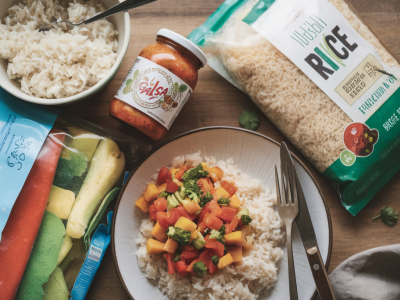
I’ve had my share of dinners that arrive at the table with a collective meh. You open the pot, the kids sniff it, your partner gives you that polite nod, and you know you’ve lost the flavor battle. The good news: most "bland" weeknight meals aren’t broken beyond repair. With three pantry staples and two straightforward techniques I use every week, you can turn a forgettable dish into something the whole family will actually finish — sometimes with seconds.
The three pantry staples I keep within arm’s reach
These three items aren’t fancy, but they’re the fastest way to rescue a lifeless meal:
- Canned tomatoes (diced or crushed) — I like a good store brand or a can of San Marzano if I want richer flavor. They add acid, body, and a touch of sweetness when simmered.
- Soy sauce (or fish sauce) — Kikkoman for soy, or a splash of Asian fish sauce (like Red Boat) for deep, savory umami. A little goes a long way at balancing and rounding flavors.
- Vinegar or lemon — white wine vinegar, apple cider, or a fresh lemon. Acid is the simplest “wake-up” tool for any dull dish.
The two simple techniques that save dinners
These are habits I use constantly. They’re quick, effective, and don’t require special skills.
- Brighten with acid at the end — a squeeze of lemon, a dash of vinegar, or even a spoonful of white wine added off-heat wakes up heavy, muted flavors. Acid highlights different taste receptors so the dish tastes fresher and more balanced.
- Build umami and texture with a quick pan finish — searing, browning, or reducing a sauce concentrates flavor. Then finish with a tablespoon of oil, butter, or a splash of soy/fish sauce to emulsify the sauce and give it a glossy, irresistible finish.
How I apply this in three real-life “bland” scenarios
Below are scenarios I encounter every week and the exact moves I make to fix them. Follow the steps; you’ll be surprised how often the problem is only a few shakes of pantry staples away.
Bland pasta sauce
Symptoms: tomato sauce tastes flat, pasta is cooked but lacks punch.
Quick fix:
- Turn the heat to medium-high. If your sauce is thin, let it reduce 3–5 minutes to concentrate flavors.
- Stir in 1/3 cup canned crushed tomatoes (even if the sauce already has tomatoes — this gives body) and 1 tsp soy sauce — the soy gives a subtle savory backbone without making it taste Asian.
- Finish with 1–2 tsp red wine vinegar or a squeeze of lemon, then a drizzle of olive oil or a knob of butter and a grind of black pepper. Taste and adjust: if it still needs depth, add another 1/2 tsp soy; if it’s too tart, a pinch of sugar calms it.
- Serve immediately tossed with pasta and reserve some pasta water — a splash of starchy water helps the sauce cling to noodles.
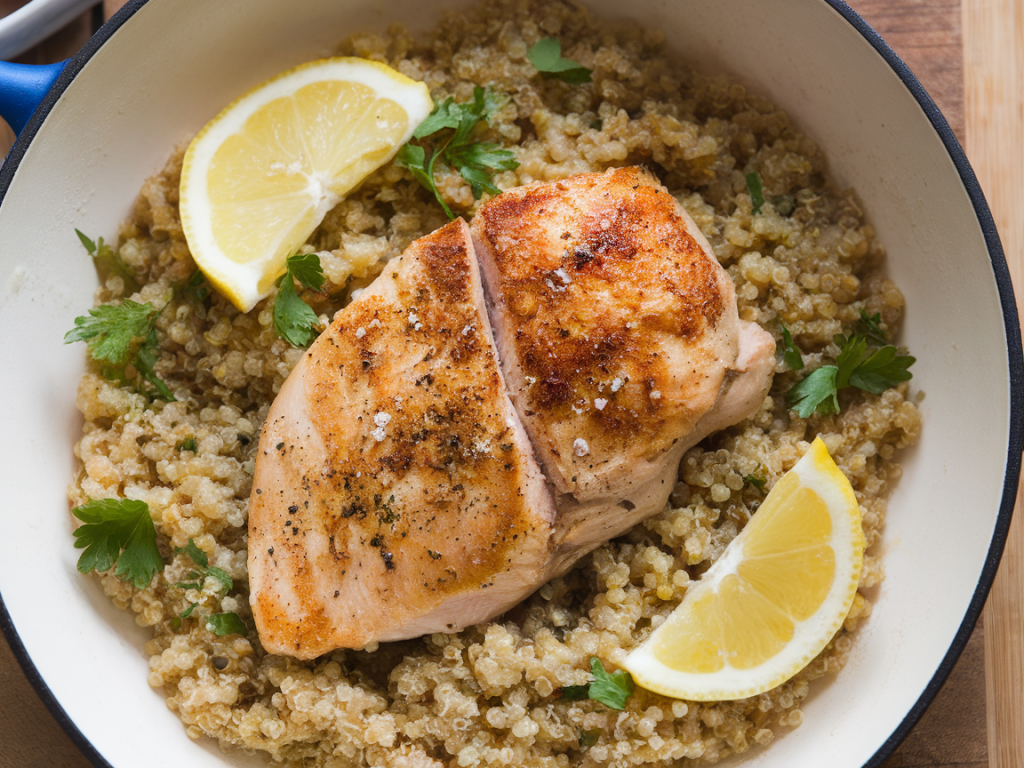
Bland roasted or pan-seared chicken
Symptoms: chicken cooked through but tastes one-note.
Quick fix:
- In the skillet, remove the chicken and add 1/3 cup canned tomatoes and 1 tsp soy or fish sauce. Scrape the browned bits (fond) off the pan — that's flavor.
- Simmer 2–3 minutes until slightly reduced, then finish with a squeeze of lemon or a splash of vinegar. Spoon this glossy pan sauce over the chicken.
- If you want crunch, quickly crisp breadcrumbs in the same pan with a little olive oil and scatter over the plated chicken.
Bland soup or stew
Symptoms: soup is warm but dull, missing a focal flavor.
Quick fix:
- Stir in 1/2 cup canned tomatoes for brightness and body. For vegetarian soups, add 1 tsp soy sauce to boost savory notes.
- Add acid: 1 tbsp vinegar or 1 tbsp lemon juice toward the end of cooking. Taste after a minute — acid transforms the balance.
- For texture, toast a handful of crushed canned beans in a skillet with garlic and oil, then stir into the soup or use as a garnish.
Why these staples and techniques work
From a flavor perspective, most "bland" dishes lack either acid, umami, or concentration (and often a textural contrast). Canned tomatoes bring natural acidity and body; soy or fish sauce supplies umami in a tiny, economical amount; and vinegar or lemon brightens everything. Meanwhile, finishing on the pan — using fond and reducing — concentrates taste and creates texture. Together they address the usual suspects of blandness.
Useful swaps and pantry-friendly tips
If you don’t have one of the three staples, here are easy substitutes and smart buys:
- No canned tomatoes? Use a spoonful of tomato paste dissolved in hot water; it concentrates flavor similarly.
- No soy or fish sauce? Worcestershire sauce is another umami shortcut, or crumble in a little parmesan rind while a soup simmers.
- No vinegar? Use lemon or even a splash of pickle brine for a quick acid hit in a pinch.
- Keep small, travel-sized bottles of soy/fish sauce in the pantry — they last and take up almost no space. A jar of canned tomatoes is cheap and goes into dozens of rescues.
Quick practice drills
If you want to turn this into habit, try these tiny experiments during a weeknight:
- Add a teaspoon of soy to one serving of your sauce before dinner and taste the difference.
- Squeeze lemon on one portion of roasted veg and compare the v. plain bites.
- Next time you make a pan sauce, deliberately scrape the fond and reduce for at least 60–90 seconds. You’ll notice how much brighter the dish becomes.
I still make bland dinners sometimes — that’s kitchen life. The trick is knowing a few reliable moves to rescue the meal fast. Keep your pantry stocked with canned tomatoes, a bottle of soy or fish sauce, and a vinegar or two. Then remember to finish dishes with acid and a quick pan technique. It takes less time than a post-dinner cleanup argument and, more importantly, makes dinnertime a place where everyone sits down happy.