I get it: between school runs, overtime at the office, and the grocery budget that never stretches like you want, dinner needs to be fast, predictable, and safe for anyone at the table. Over the years I’ve built a 30-minute weeknight rotation that’s gluten-free, dairy-free, and nut-aware—not because I wanted to cook by restriction, but because it makes feeding a household of picky eaters, allergy-sensitive kids, and tired adults much simpler. Below I’ll walk you through how I put that rotation together, what I keep in the pantry and fridge, quick swaps that actually taste good, and a sample weekly plan you can copy and adapt.
Start with patterns, not recipes
Rigid recipes are great when you have time. For weeknights I rely on patterns—reliable formulas that turn whatever’s in the pantry and fridge into a complete meal in under 30 minutes. My basic patterns are:
Once you get comfortable with those patterns, building a rotation that’s allergy-safe becomes much easier. You swap freely within each element instead of following a single recipe.
Pantry and fridge staples for a 30-minute allergy-friendly rotation
Stocking the right staples turns “What’s for dinner?” into “Which pattern tonight?” Here’s what I keep on hand. These items are naturally gluten-free/dairy-free and nut-aware, or I opt for clearly labeled alternatives.
Tip: label any “safe” packaged items in your pantry, and keep an allergen list on the fridge so babysitters and caregivers know what to avoid.
Fast, reliable swaps that don’t feel like compromise
Allergy-friendly cooking often gets a bad rap for being bland. The secret is bold flavors and the right textures.
Make one quick sauce and use it everywhere
I keep a simple “everyday sauce” in my rotation: a savory, tangy, and slightly sweet mixture that livens up bowls, roasted veg, and proteins. It takes 3 minutes to mix and stores in the fridge for 5–7 days.
Stir into cooked rice and veg, toss with noodles, or spoon over roasted chicken. It’s simple, allergen-friendly (check sesame if nut-aware), and tastes on purpose.
Weekly rotation example (30-minute dinners)
Below is a sample week I actually cook—nothing fussy, all family-friendly, all doable in 30 minutes with minimal prep. You can swap proteins or grains and the structure still works.
| Day | Pattern | Meal |
|---|---|---|
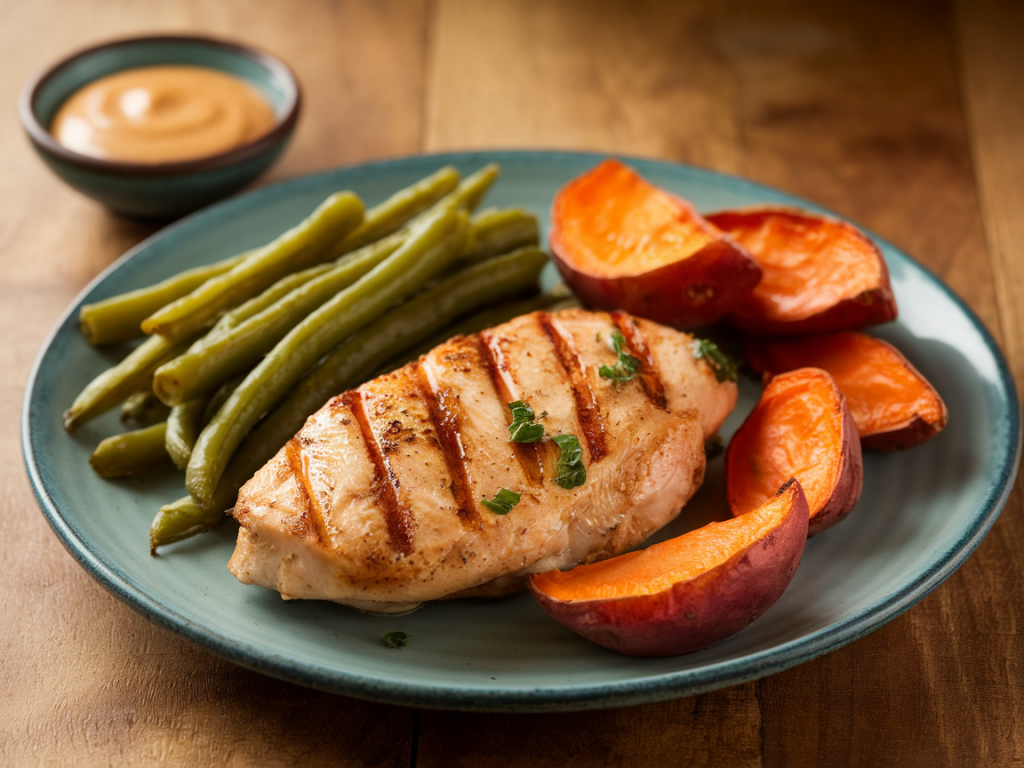
| Monday | One-pot skillet | Chicken thigh & pepper skillet with quick-cook rice + everyday sauce |
| Tuesday | Bowl | Roasted broccoli, canned chickpeas (pan-crisped), quinoa, lemon-tahini (sunflower) drizzle |
| Wednesday | Quick pasta | Gluten-free pasta with canned tomatoes, garlic, spinach, and a splash of coconut milk |
| Thursday | Stir-fry | Shrimp and mixed veg stir-fry with GF soy, served over jasmine rice |
| Friday | Sheet-pan (hands-off) | Polenta fries, roasted carrots, and turkey meatballs (baked) with quick tomato sauce |
| Saturday | Tacos/Bowls | Gluten-free tortillas or lettuce wraps, spiced ground turkey, slaw, avocado slices |
| Sunday | Leftover remix | Fried rice with leftover veg and protein + egg or tofu scramble |
Prep that saves real time
You don’t need a whole weekend to prep—10–20 minute tasks twice a week is enough to speed meals:
Kitchen tools that earn their place
You won’t need a fancy gadget, but a few tools consistently shave minutes off dinner:
Feeding kids and picky eaters
Picky eaters often react better to predictable textures and assemblies. I plate components separately: a small scoop of rice, plain protein, and a hidden serving of sauce on the side. Letting kids assemble tacos or bowls helps them feel in control and usually increases the chance they’ll try something new. When in doubt, keep one “safe” item (like roasted potatoes or plain rice) every night—this lets dinner be a success even if only part of it gets eaten.
Labeling and safety for allergies
When someone has an allergy, cross-contamination is the real enemy. I keep designated cutting boards and spoons for allergen-free cooking, wash hands and surfaces well between tasks, and separate peanut/treenut products in a closed container. When buying packaged goods, I choose brands that explicitly state “made in a facility free from [allergen]” when necessary—brands like Bob’s Red Mill (some lines), Jovial, and Kikkoman GF are helpful for gluten-free labeling, but always read the package.
If you want, I can turn this into a printable grocery list, a 4-week menu plan, or give you a set of 10 one-pan recipes that fit this rotation. Tell me who you’re cooking for (kids? single adult?) and I’ll shape the week to your household.