I’ve made more curries for picky eaters than I can count — toddlers who reject anything orange, teens who “don’t like spice,” and grown-ups who insist curry should come from a jar. Over the years I’ve learned that adapting a curry for picky palates doesn’t mean turning it bland. It’s about controlling texture, separating heat from flavor, and building layers of taste that are gentle but interesting. Here are the strategies I actually use at home to keep curry family-friendly while still delicious.
Start with the flavor base — not the heat
One of the biggest mistakes is assuming spice = flavor. Many aromatic curry flavors come from non-spicy ingredients: toasted cumin, coriander, garlic, ginger, fennel, and a touch of acidity (lemon or tamarind). If you focus on those, you get more complexity without the burn.
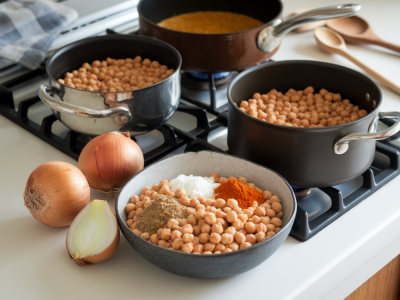
My go-to trick: cook a simple onion-garlic-ginger base slowly until it’s sweet and deeply golden. Add ground spices like cumin, coriander, turmeric and a pinch of smoked paprika for warmth without heat. If you want the “curry” smell to be undeniable, toss in a bay leaf or a stick of cinnamon while it simmers, then remove it before serving.
Control heat with separable elements
Kids often refuse a whole dish because one bite is too spicy. I separate the spicy components so everyone can build their bowl. That means:
This approach respects individual tolerance and keeps the kids eating the main meal while adults get the thrill.
Texture matters — make it familiar
Picky eaters often react to texture more than flavor. If your kid hates mushy vegetables, keep them crisp-tender. If they don’t like big chunks of meat, shred or mince it.
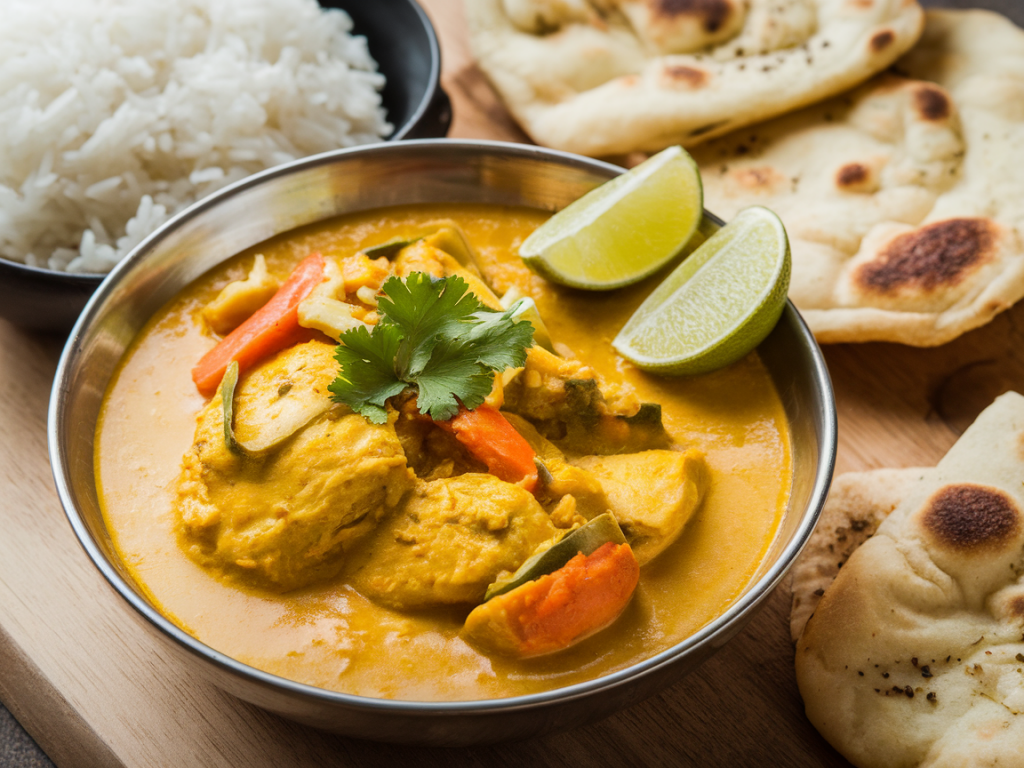
When I introduced curry to my kids, I often served it over plain rice with the sauce on the side — they could dip and control what they ate.
Use kid-friendly carriers
Presentation matters. If the plate looks fun and familiar, picky eaters are more likely to try. Try these carriers:
Balance spice with dairy and acid
Dairy and acid can tame heat quickly and add richness. A dollop of yogurt or a splash of coconut milk softens capsaicin and rounds flavors. I keep a small bowl of plain yogurt or raita as a table condiment. Lemon or lime brightens everything and reduces perceived spiciness — squeeze it at the end.
Smart swaps: keep the soul, change the packaging
Sometimes a picky eater dislikes a specific ingredient but will accept a swap. Here are reliable changes I use:
Make-ahead flavor boosters
Flavor deepens over time and reheating often mellows spice in a kid-friendly way. I often make the curry a day ahead and store the chili element separately. If you’re short on time:
Kid-friendly curry recipe framework (flexible)
| Component | Notes |
|---|---|
| Base | 1 onion (finely chopped), 2 cloves garlic, 1 thumb ginger — sauté until golden |
| Spices | 1 tsp ground cumin, 1 tsp coriander, 1/2 tsp turmeric, 1/2 tsp smoked paprika |
| Tomato/veg | 1/2 cup passata or 1 grated carrot + splash of tomato puree |
| Protein | shredded chicken thigh, ground turkey, tofu cubes |
| Liquid & creaminess | 1 cup low-sodium stock + 1/2 cup coconut milk |
| Finish | salt, squeeze of lime, handful of chopped cilantro (optional) |
Method: fry the base low and slow, add spices and toast for 30 seconds, stir in tomato or carrot, add stock and protein, simmer until cooked through. Swirl in coconut milk near the end. Serve with rice and the spicy condiment separately.
Involve kids — give them choices
Letting kids choose toppings or “heat level” empowers them. Put out small bowls:
When they pick toppings, they’re more likely to taste the main dish — and you can sneak vegetables into the sauce with less resistance.
Emergency swaps and shortcuts
When I’m in a rush, I’ll reach for store-bought curry pastes (Patak’s, Mae Ploy) or a jarred tikka masala sauce. The trick is to bulk them up and soften the heat: sauté extra onion, add a can of coconut milk, and toss in roasted vegetables or shredded chicken. This makes the sauce more homemade and mellows any canned sharpness. If a brand is too spicy, dilute with yogurt or coconut milk and add a little honey to round it out.
Troubleshooting common pushbacks
If a kid says “this is too spicy” — offer yogurt and a squeeze of lime immediately. If they refuse the texture, replate with a familiar carrier (rice, bread, pasta). If they refuse the whole concept, try a mini-experiment: serve a tiny spoonful as a taste-test with their favorite cracker or toast. Small successes build curiosity.
Adapting curry for picky eaters is mostly about flexibility: keep flavors layered, separate the heat, present choices, and respect texture preferences. With a few simple swaps and a bit of staging at the table, you can keep the curry interesting for adults and approachable for kids — and that’s how the whole family ends up eating together instead of ordering takeout.